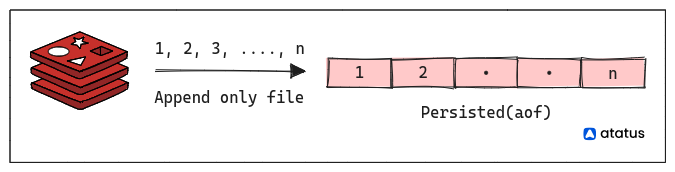
Redis Append Only Tutorial Exploring Data Types Architecture And Key Features
Activate Now redis append only first-class online video. No subscription costs on our content hub. Submerge yourself in a ocean of videos of curated content showcased in Ultra-HD, essential for elite watching devotees. With just-released media, you’ll always receive updates. Uncover redis append only curated streaming in stunning resolution for a truly engrossing experience. Become a part of our entertainment hub today to look at exclusive prime videos with with zero cost, no sign-up needed. Experience new uploads regularly and explore a world of one-of-a-kind creator videos produced for exclusive media aficionados. Seize the opportunity for hard-to-find content—get a quick download! Get the premium experience of redis append only one-of-a-kind creator videos with breathtaking visuals and top selections.
This will create the append only file Rdb (redis database) rdb (redis database) is a mechanism in redis used for persistence, ensuring that data is saved to disk. Stop the server when redis finished generating the aof dump
Redisのappend-only fileの解析 - 赤帽エンジニアブログ
Edit redis.conf end enable append only file persistence We will see how each mechanism works, their advantages and disadvantages, and how they can be configured to suit different use cases Make sure that your database contains the same number of keys it contained before the switch
Make sure that writes are appended to the append only file correctly.
Unlike caches which just hold transient data, redis gives you configurable persistence layers to make data durable across failures and restarts Today, we’re diving deep into a critical aspect of running redis in production A server crash or restart without proper persistence means losing all your precious data That’s where redis append only file (aof) mechanism comes in, offering a robust way to ensure your dataset survives.
To prevent data loss, redis provides two persistence mechanisms By default, aof is disabled in redis This blog sheds some light on why aof was implemented in redis and what it can be used for Yes, redis can persist data to disk
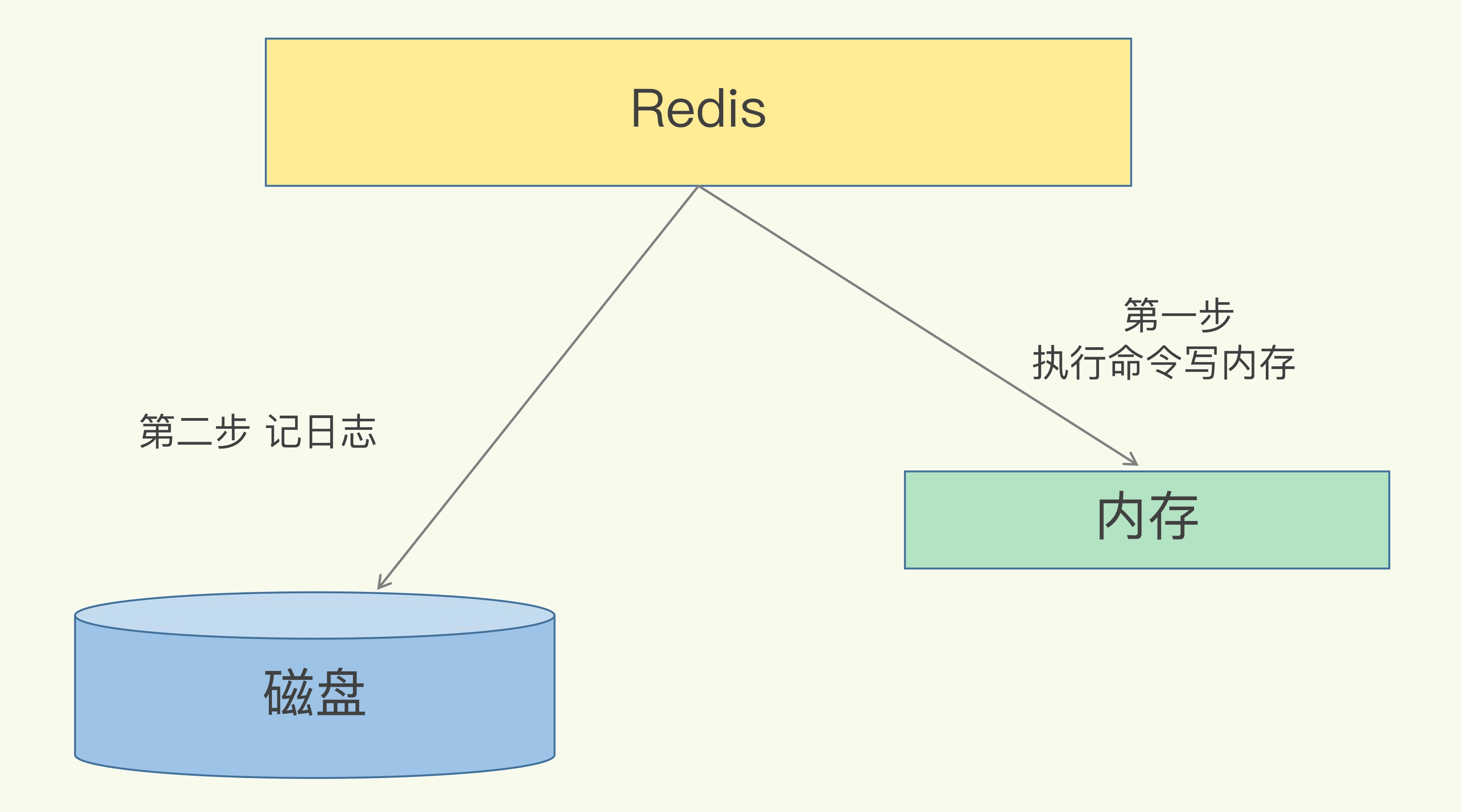
There are two main persistence mechanisms